

Telehealth

Telehealth through digital communication technologies has significantly revolutionised the healthcare environment. It has the potential to enhance patient safety and increase access to healthcare. In this blog, we discuss the reason why telehealth has become an essential vehicle for providing safe and convenient healthcare.
Understanding Telehealth
Overview of Telehealth
Definition and Components

Telehealth is an electronic service that provides services at a distance by using electronic information and telecommunication technologies to improve a person’s health. This technology includes
- computers,
- video cameras,
- videoconferencing,
- video/audio recordings, and
- the Internet.
Telehealth involves a bundle of services, such as
- virtual visits using the Internet,
- remote monitoring of individuals by electronic devices, and
- remote management of a patient’s chronic condition via mobile health applications.
Types of Telehealth Services
- Video Consultations: A live, audio-visual consultation with a patient and a healthcare professional. It is a two-way conversation over the video conferencing tool.
- Remote Monitoring: Remote patient monitoring uses digital medical devices such as health trackers, smartwatches, and biosensors to collect real-time health data from patients and send it to care providers. This includes continuous recording of patients’ blood pressure, heart rate, glucose levels, and so on.
- Mobile Health Apps: Mobile health (mHealth) is defined by the World Health Organization as ‘medical and public health practice supported by mobile devices, such as mobile phones, patient monitoring devices, personal digital assistants and other wireless devices’. However, it is perhaps best described as a health-related purpose-built application for smartphones and tablets that helps users manage their health and wellness. mHealth apps can help a user monitor his or her medications through dosing reminders, track his or her physical activity and fitness, and receive care through telemedicine. While mHealth apps can help patients to be more engaged with their care and self-manage, mHealth is not yet a direct replacement for traditional in-person healthcare services.
Historical Development of Telehealth
Evolution from Early Telemedicine to Modern Telehealth Solutions
At the beginning of the 20th century, Telemedicine had its start with rounding from the bridge of ships at sea to communicate over the radio. It was the medical equivalent that gives blood pressure cuffs and a bar of soap, along with the advice to ‘take two aspirin and call me in the morning‘. Telemedicine is now more commonly known as the name of narrow telehealth solutions in some countries. By the latter half of the 20th century, there was a subfield of medicine. It was built based on a communication network, such as the telephone landline, new computer networks and mobile technology, which made patient care less dependent on physical presence at the bedside.
Key Milestones and Technological Advancements
- 1960s: Closed-circuit television links are used for psychiatric consultations in the first telemedicine projects.
- 1965: The first phone consultation occurs.
- 1967: The first captured still image transmitted through space is viewed via television.
- 1990s: The rise of internet transmission allowed telemedicine to travel far and wide. Medical data and virtual consultations could be conducted virtually anywhere.
- 2000s: Integrated mobile technology and smartphones brought forth mobile health applications. Telehealth is becoming more commonplace in standardised approaches to healthcare.
- 2020s: Due to the COVID-19 pandemic, telehealth became more widely accepted as regulatory laws changed. Investments in telehealth infrastructure soared. It highlights the importance of this care delivery model to help ensure a continuous system of care.
Enhancing Patient Safety with Telehealth
Reducing Exposure to Infectious Diseases
Minimising In-Person Visits

One huge upside of telehealth is that, by reducing in-person visits, it reduces people’s exposure to infectious diseases. With telehealth visits, patients can consult doctors remotely from the safety of their own homes rather than travelling to specialised, potentially crowded clinics. Remote consultations are particularly helpful to those with chronic illnesses, as well as the elderly and immunocompromised patients.
Benefits During Pandemics (e.g., COVID-19)
The COVID-19 outbreak also highlights the importance of telehealth in maintaining healthcare delivery while reducing in-person encounters that could accelerate virus transmission. Telehealth promises continuity of care for patients. It complements critical public health efforts to screen and monitor the spread of the coronavirus. It relieves the burden on healthcare amenities by reducing non-emergency in-person visits.
Improving Medication Management
Remote Prescription Monitoring
Through telehealth, doctors can check up on patients and manage their medications as prescribed. They can also keep tabs on tenuous prescription use. It can make sure prescriptions aren’t lent to others. It minimises the risks of negative drug-to-drug interactions and potential overdoses.

Telepharmacy Services
Telepharmacy services for patients enable pharmacists to provide medication management and advice through remote patient consultations. It includes professional advice for medication use, a virtual consultation of complex medication regimens, and tele-pharmacy services that allow for timely medication-related concerns.
Enhancing Monitoring and Follow-Up Care
Remote Patient Monitoring Devices
Devices are being used to remotely monitor individual patients in their homes, known as remote patient monitoring (RPM), collecting health data related to patients’ heart rate, blood pressure, and glucose levels continuously. Patient’s health data is transmitted to healthcare providers in real-time from home when any abnormality is detected. It ensures patient safety by avoiding complications that might arise due to delayed monitoring.
Continuous Health Tracking and Early Intervention
Continuous health tracking, done through telehealth platforms, is a form of preventative patient care. It can identify the early signs of a health problem despite the absence of symptoms. With timely intervention, the disease can be managed, and its progression can be halted altogether. It reduces hospital readmissions and improves patient outcomes.
Facilitating Access to Specialists
Virtual Consultations with Specialists
Unless geographical barriers are removed, people often do not get access to specialist medical care. Nowadays, telehealth helps patients gain access to specialist medical care through virtual consultations with specialists from anywhere in the world.
It is expected that more and more people can benefit from the convenience of a virtual second opinion without having to travel long distances. Improved diagnosis and treatment outcomes are possible with the increase in access to specialised health care.
Reducing Wait Times and Improving Outcomes
Virtual consultations provided through telehealth platforms reduce wait times for specialist appointments. This is especially true for conditions that can significantly benefit from early treatment. Improved convenience for accessing health care services results in improved health outcomes and high levels of satisfaction among patients.
Complete our course on Fundamentals of Ambulance and Emergency Care.
Expanding Care Access with Telehealth
Reaching Rural and Underserved Areas
Overcoming Geographical Barriers
Telehealth breaks those barriers and helps people in rural and other underserved areas receive care. They can use telehealth to access care over a distance. For example, suppose a healthcare provider is in one city, but a patient is in another city far away. A telehealth provider can help the patient, who can be in a remote area, bypass the hurdle of travelling to an urban centre by establishing a virtual connection with the provider over the Internet.
Providing Care to Remote Populations
Telehealth expands the reach of healthcare services to underserved populations – not just in rural communities but also in underserved urban areas where access to facilities can be limited. This ensures that all patients in all areas have access to quality health care.
Increasing Accessibility for Mobility-Impaired Patients
Home-Based Consultations
For patients suffering from mobility limitations, telehealth provides an easy and accessible option to connect with medical services. It removes the need to travel and helps to keep patients connected to medical care through home-based consultations. Ultimately, this improves their welfare and encourages them to be more involved in their healthcare management.
Reducing Transportation Challenges
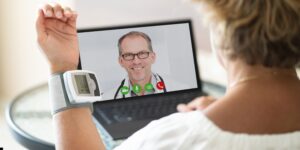
Telehealth reduces transport-related barriers, which is an advantage, particularly for elderly patients. It also helps people with diverse personal reasons for not being able to commute to and from health facilities. Bringing healthcare to patients’ homes enhances access and eases the burden on patients and their families.
Supporting Mental Health Services

Teletherapy and Counselling
Telehealth expands mental health services to persons with mental illnesses with the use of teletherapy and remote counselling services. Patients can now receive therapy and counselling services from licenced providers in the privacy of their own homes. The stigma associated with seeking mental health care has greatly decreased. It enables an expansion of much-needed mental health care services.
Expanding Access to Mental Health Professionals
Ultimately, telehealth brings the distance between A and B closer but never closes the gap entirely. An updated version of this service can bring the distant mental health professional living in B closer to the patient. It allows individuals to connect with various mental health providers (psychiatrists, psychologists, counsellors, and other professionals). it helps those residing in areas without mental health providers receive timely and appropriate care.
Providing Continuous Care
Chronic Disease Management
Another important use of telehealth is for the management of chronic diseases. For example, many people suffer from long-term health problems such as diabetes, hypertension or heart disease. With telemedicine, doctors can manage their patients by conducting regular check-ins and follow-ups on their treatment. Patients of these doctors can use telehealth to keep in touch with their doctors, monitor their health metrics and perform interventions.
Post-operative and Follow-Up Care
Telemedicine plays an important role in post-operative care. It offers patients the opportunity to have follow-ups and conduct periodic medical examinations without needing to visit the doctor’s office or the hospital in person. By avoiding patients’ visits for minor checks and monitoring of their wounds, the risk of them experiencing complications after surgery is greatly reduced. Communication with doctors also means that patients have support for any issues they have after the operation.
Technological Innovations in Telehealth
Advancements in Telecommunication Technology
High-Speed Internet and Mobile Networks
It is impossible to achieve telehealth without high-speed Internet and mobile networks. Reliable and fast connections have enabled video consultations and real-time data monitoring between patients and consultants. The next step to improve the experience of telehealth is technology with higher speed and stability, such as the recent release of 5G.
Video Conferencing Platforms
It brings the advantages of live, interactive consultations through video conferencing platforms among patients and healthcare professionals. Good-quality audio and visual transmission are facilitated through such platforms. Features like screen sharing, document exchange, and secured connections enrich the telemedicine process so that it can be a sustainable alternative to in-person visits.
Integration with Electronic Health Records (EHRs)

Seamless Data Sharing and Coordination of Care
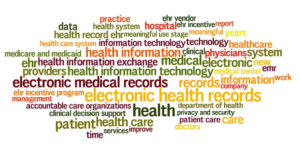
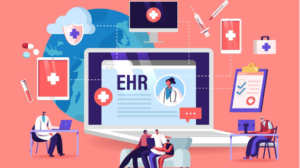
Integrating telehealth services with EHRs encourages communication and coordination with patients across healthcare providers. Additional clinical data about the patient can be viewed from the telehealth service to assist in a virtual consultation using information originally gathered during the office visit. During the consultation, real-time updates to the patient’s record can be made. The provider can use all of this information to help determine the appropriate directions for the care plan.
Enhancing Continuity and Accuracy of Patient Records
Modules of EHR applications allow for a more accurate and complete record of patients because their telehealth visit entries will be entered directly into the EHR. This allows full documentation of patient contacts and encounters. Thus it improves decision-making, continuity of care, and patient outcomes.
Development of Wearable Health Devices

Monitoring Vital Signs and Health Metrics
Wearable health devices are becoming an increasingly important part of telehealth. A registered nurse in the office keeps tabs on a patient’s heart rate and other health metrics that are sent from the smartwatch he wears. He monitors the patient’s glucose levels, blood pressure, activity levels, heart rate and weight. They even have video conferences several times a week to discuss readings. Such data helps with the management of chronic conditions and patient care more generally. Devices range from the smartwatch ones manufactured by Apple, Garmin, Fitbit. There are more clinical medical wearables such as electrocardiogram devices and glucometers.
Real-Time Data Transmission to Healthcare Providers
Through wearable health devices, real-time data shared with healthcare providers allow them to take action on issues threatening health and manage a patient’s condition in a timely way. Real-time monitoring would help the healthcare provider to detect such changes quickly. Adjustments to treatment plans and other kinds of proactive care could then be implemented, enhancing the level of care provided to the patient. The continuous tracking of health parameters would increase the safety and quality of care for patients.

AI and Machine Learning in Telehealth
Predictive Analytics for Patient Management
Artificial Intelligence (AI) and Machine Learning (ML) are enabling predictive analytics for patient care and management. Very large data sets of any type carry patterns of behaviour, and these patterns can be exploited to predict the future. Especially if we identify characteristics that are associated with future states. Aside from detailed information on individual patients and their conditions, information on patient groups can be used to establish and maintain management protocols and monitor compliance. Predictive analytics can provide anticipatory perspectives that increase patient safety and quality of care. A basic question in medicine is when is the best time for hospitalisation, or discharge from a hospital or nursing facility. Data and AI can help provide answers.
- Will a psychiatric risk factor lead to hospitalisation in 30 days?
- Which patients are on the verge of a myocardial emergency within the next hour?
- Can radiological imaging of a muscle be automated and predict if a person will recover in a certain time frame based on diagnostic tests (e.g., public health detection of flu or voting fraud detection)?
AI can predict hospital readmissions, early disease onset, and outcomes, and thus, it can guide trials of therapeutic intervention before common diseases manifest.
Personalised Care and Decision Support
PD: ML helps achieve personalised care by analysing patients’ data on an individual basis to develop interventions or treatments specific to each person. It provides them with decision support, which includes options based on medical evidence and recommending potential drug interactions and alternative therapies. Personalised care helps improve patient outcomes by ensuring that treatments are specifically designed for each patient and their needs.
Addressing Challenges in Telehealth Implementation
Ensuring Data Security and Privacy
Compliance with HIPAA and Other Regulations
Patient security and privacy must be considerations in telehealth, too. This means full compliance with federal privacy laws such as the Health Insurance Portability and Accountability Act (HIPAA), along with clear contingencies to deal with breaches of privacy if they do occur. Telehealth providers may have to establish tighter and more robust security requirements involving encryption and secure access controls. It also requires performing regular security audits to stay in compliance with laws and regulations.
Protecting Patient Information from Cyber Threats
Since telehealth services are bound to happen on the Internet, cyberbullying, spamming, and other threats are big concerns. To protect patient data from the risk of unauthorised access or altering, implementing comprehensive cybersecurity measures like firewalls, anti-malware software, and intrusion detection systems becomes necessary. Informing the patients and care providers about keeping online behaviour safe, besides the routine checking and updating of security measures, will also ensure the services remain secure and reliable for the users.
Overcoming Technological Barriers
Addressing Digital Literacy and Access Issues
Moreover, low digital literacy and related issues of accessibility may mean that patients and providers have difficulty in making use of telehealth services. To address this, providing the means to develop instructional and informative pathways helps many patients. Training for patients and providers about the proper usage of telehealth platforms and the provision of user guides and tutorials help in improving their digital literacy. Some countries are addressing the issues of accessibility by providing low-cost internet services and affordable devices to their people.

Providing Technical Support for Patients and Providers
Factors that are foundational for telehealth include the required technical assistance for users. Any established technical assistance program for telehealth must also have dedicated support services, which will assist patients and/or providers in using the telehealth platform correctly and provide expertise on troubleshooting any technical issues that may arise. Having prompt technical support services that can resolve issues quickly will be helpful to ensure that the programs are not disrupted.
Managing Reimbursement and Insurance Policies
Navigating Telehealth Reimbursement Models
Reimbursement models and clinical termination ICD10 codes vary greatly depending on telehealth users, payor types (Medicare, Medicaid, commercial or private insurers), use fees, site of care and reimbursement policies. Currently, the overall landscape is complicated. Uses don’t encompass the fully integrated psychotherapeutic and psychopharmacological model of care.
Advocating for Policy Changes to Support Telehealth
Supporting the expansion of telehealth also requires advocacy for policy changes that will help foster the field and create pathways for its continued viability. Lobbying internal messages to policymakers, healthcare organisations, and professional associations for favourable regulatory billing and reimbursement policies is necessary to safeguard telehealth’s future role in healthcare delivery.
Maintaining Quality of Care
Establishing Telehealth Best Practices
Quality of care in telehealth should be maintained by developing best practices. Standardising virtual consultations, remote monitoring, and patient education ensures that telehealth is reliably and routinely provided. Best practices should be continually reviewed and updated, considering emerging evidence and technological developments.
Training Healthcare Providers in Virtual Care Delivery
Improving the training of healthcare providers to deliver virtual care is another key area to be addressed. Training programmes for clinicians to deliver telehealth services should include
- technical skills (e.g., use of the electronic interface/equipment),
- communication skills (e.g., active listening, how to ask precise questions, avoiding miscommunication) and
- clinical skills (e.g., conducting the clinical interview).
Along with initial training, ongoing competency should be ensured through the implementation of a programme of professional development, online learning, guidelines, and support for best clinical-telehealth practices.
Take our course Healthcare Online Training from Jobsland.
Future Trends in Telehealth
Emerging Technologies in Telehealth
Virtual Reality (VR) and Augmented Reality (AR)

Telehealth greatly benefits from virtual reality (VR) and augmented reality (AR) technologies as they can offer distance-delivered medical support and therapy that produces results of the same or even greater efficacy than in-person consultations.
First, immersive therapy sessions can take place in VR. Patients can enter and interact with a virtual 3D space to simulate various scenarios or even dramatically change their virtual body image. They can also explore their updated identity, such as a slimmer or fitter. In addition, patients could even participate in virtual classes like yoga or dancing, where they could interact in pairs with AI-simulated therapeutic assistants in real-time. As a result, VR-based therapy sessions would not only create a high level of immersion for patients but also reduce the risks and costs associated with real-life settings. Pain relief is another effective use of VR technology. By allowing users to visualise and control their surroundings, VR treatments can help them reduce perceived threats and discomfort.
Furthermore, pain management can be further enhanced with AR technologies in hospitals. By issuing instructions to nurses’ devices, remote doctors could guide them in administering effective pain-relieving diathermy treatment to patients through an AI-assisted process. The advent of AR could also open up new possibilities for interactive patient education. AR-driven data pipelines connecting patients and hospital staff can provide personalised care for each individual, and clinicians could tailor AR-based content according to each patient’s sensory abilities.
Advanced Remote Monitoring Tools
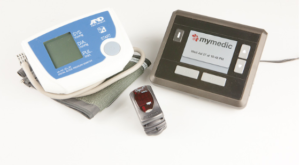
Sophisticated new remote monitoring tools are also being developed to improve the quality of current telehealth services. These can include advanced wearable technology, implantable sensors, and more sophisticated home monitoring systems. For example, they can go beyond current remote monitoring tools for managing stability in patients with epilepsy by including a video component to help detect seizures before they occur.
Policy and Regulatory Developments
Expected Changes in Telehealth Regulations
Today, the regulatory environment is evolving towards more favourable legal grounds for the adoption of telehealth. Examples of pending changes include national licensure portability, reimbursement parity across borders, and interstate cross-state telemedicine.
Impact on Telehealth Adoption and Utilization
Changes in the regulatory framework of telehealth (making it simpler and more supportive) will certainly influence its uptake and dissemination throughout the wider delivery of care. Not only will more healthcare providers offer telehealth services, but more patients will also be able to access remote care. Consequently, it will lead to the increased incorporation of telehealth into widespread healthcare delivery.
Increasing Integration with Healthcare Systems
Telehealth as a Standard Component of Care
The use of telehealth is becoming standard in care delivery, and integrating telehealth into routine care provides a full spectrum of services for patients, whether provided in‑person or remotely, improving care coordination and patient outcomes and supporting a more flexible health system.

Enhancing Interoperability and Coordination of Care
This type of interoperability can enhance telehealth, ensuring care is coordinated between telehealth platforms and other healthcare systems, such as in-person providers, clinics and hospitals. It can also involve the development of interoperability standards so that telehealth solutions share data with other platforms in inconsistent and consistent ways (such as complying with the HL7 standard). For example, telehealth platforms should be able to successfully fit into the electronic health records (EHRs) previously developed by other providers of in-person healthcare. Improved interoperability can also enhance the compatibility of new or innovative telehealth platforms with existing healthcare technologies. Care providers will be able to draw upon a patient’s full digital care record. This has possible benefits for the continuity and delivery of quality care.
Conclusion

Telehealth has become highly beneficial for enhancing patient safety and increasing access to healthcare services. It offers opportunities for telemedicine, remote monitoring, and data integration. The country should maintain the key roles that telehealth has played and will continue to play in improving healthcare via further investments in telehealth technologies and infrastructure. The future of telehealth will be crucial for American healthcare and will allow everyone access to high-quality care.

About the Author
A4W017X7tJJC
Professional educator and content writer at StudyMate Central, helping UK professionals advance their careers.